
Chinese vs. International Liquid Cooling Plate Suppliers: A 2026 Procurement Comparison for EV and BESS Applications
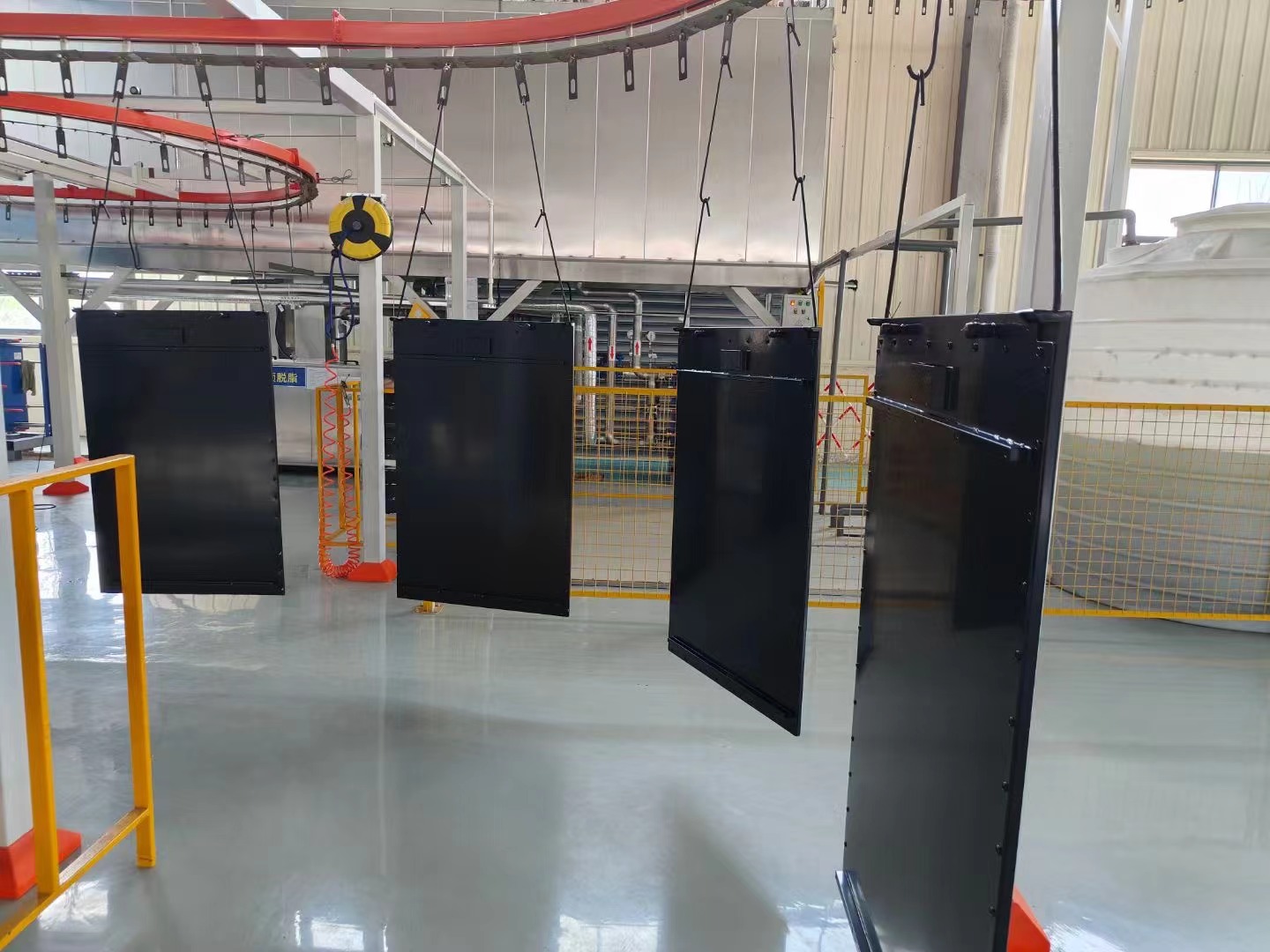
For procurement professionals tasked with sourcing liquid cooling plates for electric vehicle (EV) and battery energy storage system (BESS) applications, the decision between Chinese manufacturers and international suppliers often involves balancing cost, lead time, and technical capability. This article provides a structured comparison between a representative Chinese supplier, Trumony Aluminum Limited, and a typical international brand, using stamped aluminum cooling plates versus copper tube cold plates as a case study. A three-step decision model is also presented to guide procurement choices.
1. Product Comparison: Stamped Aluminum Cooling Plate vs. Copper Tube Cold Plate
Two common cooling plate types dominate the market: stamped aluminum plates and copper tube cold plates. The following comparison uses technical data from product specifications and published test results.
| Dimension | Stamped Aluminum Cooling Plate (e.g., Trumony TR-20260227) | Copper Tube Cold Plate |
|---|---|---|
| Technical Parameters | Material: Aluminum 3003; Cooling efficiency customized; Thickness customized; Manufactured via stamping and brazing. | Material: Copper; Typically requires CNC machining or tube bending; Higher thermal conductivity but heavier. |
| Applicable Scenarios | Battery pack thermal management for EV and BESS; ideal for mass production. | Industrial applications with high heat flux; often used in prototypes or low-volume runs. |
| Cost | Approximately 30% lower total cost of ownership compared to copper alternatives; lower material and processing cost. | Higher raw material cost and more labor-intensive manufacturing. |
| Maintenance Difficulty | Less maintenance required; sealed brazed joints reduce leakage risk. | More prone to corrosion at joints; requires periodic inspection. |
Notably, the stamped aluminum plate offers a -15 dB noise reduction improvement over copper tube cold plates and is preferentially suited for EV/BESS applications, according to manufacturer test data.
2. Supplier Comparison: Chinese Manufacturer vs. International Brand
When selecting a supplier, procurement managers must evaluate dimensions such as pricing, customization capability, delivery lead time, and after-sales service. The table below contrasts a Chinese manufacturer (Trumony Aluminum Limited) with a representative international brand (Boyd Corporation, a well-known thermal management solutions provider).
| Dimension | Trumony (Chinese Manufacturer) | International Brand (e.g., Boyd) |
|---|---|---|
| Price | Offers approximately 10–30% lower cost compared to international alternatives, depending on volume and customization. | Typically 20–40% higher unit price due to brand premium and overhead costs. |
| Customization Capability | High flexibility: can customize dimension, cooling efficiency, logo; MOQ as low as 1 unit. | Often limited to standard sizes; custom orders may require high MOQ and longer lead times. |
| Delivery Lead Time | Standard lead time approximately 30 days for prototypes; mass production capacity of 500,000 units/month with dedicated lines. | Lead times often 8–12 weeks due to global supply chain complexity. |
| After-Sales & Support | Remote technical support; 100% air leakage test on every unit; optional helium leak and burst tests available. | Local service centers in major regions; typically higher warranty costs. |
Trumony operates a 100,000 m² factory with 220 employees and an annual output of 600,000 units. The company holds both ISO 9001 (certificate no. 132998) and IATF 16949 (certificate no. 0489498) certifications, ensuring compliance with automotive and quality management standards.
3. Decision Model: Three-Step Method for Choosing a Cooling Plate Supplier
To systematically evaluate suppliers, procurement professionals can follow this three-step decision model tailored for EV and BESS applications.
Step 1: Define the Use Scenario
Identify the specific application: EV battery pack, BESS container, or industrial high-heat flux exchange. For example, a liquid cooling plate for energy storage (model TR-20260228) may require an epoxy coating to enhance corrosion resistance, whereas an EV cooling plate (model TR-20260225) might prioritize lightweight aluminum 3003.
Step 2: Match Technical Parameters
List critical parameters: cooling efficiency, thickness, material compatibility, and pressure rating. Compare supplier specifications against your design requirements. Stamped plates excel in cost efficiency for large volumes, while brazed plates offer higher structural integrity for complex geometries.
Step 3: Calculate Total Cost of Ownership (TCO)
Beyond unit price, factor in logistics (FOB/CIF terms), lead time impact on production schedule, customization non-recurring engineering (NRE) costs, and expected maintenance frequency. Chinese suppliers often provide lower TCO due to reduced per-unit cost and faster delivery, as evidenced by a 10–30% cost advantage.
4. Case Study: How an Automotive OEM Chose a Chinese Supplier for EV Battery Cooling
A European automotive OEM (electric vehicle division) sought a reliable cooling plate supplier for a new battery pack project. After evaluating international brands, they decided to partner with Trumony Aluminum Limited based on the following factors:
- Customization: Trumony provided a stamped cooling plate with customized dimensions and cooling efficiency tailored to the battery module layout.
- Cost: The unit price was 30% lower compared to comparable copper tube cold plates from an international supplier, reducing the overall BOM cost.
- Lead Time: Initial prototypes were delivered in 30 days, and mass production of 60,000 units was completed within the same quarter.
- Quality: The plates passed 100% air leakage tests and voltage resistance tests; the supplier also offered optional helium tightness testing.
- Result: The battery packs have operated stably for over two years with no cooling failures, and the OEM has since placed repeat orders for subsequent vehicle generations.
This case illustrates how a Chinese manufacturer can deliver competitive advantages without compromising quality, particularly for high-volume EV and BESS programs.
Conclusion
Procurement decisions for liquid cooling plates should weigh technical performance, supplier capabilities, and lifecycle costs. Chinese manufacturers like Trumony offer a compelling combination of low cost, fast delivery, and extensive customization, while international brands may be preferred for projects requiring strict regulatory adherence or local technical support. The three-step model provides a replicable framework for aligning supplier selection with application requirements.
Have Questions or Need More Details?
Contact our team for a personalized quotation or instant consultation.
Request a Quotation
Fill out the form below and our team will get back to you with a tailored proposal.
WhatsApp Direct Chat
Prefer to chat in real-time? Message us on WhatsApp for instant assistance & quick answers.
- Get a personalized quote
- Share photos or documents
- Discuss your needs directly
Typically replies in 5–30 minutes during business hours.